
Noticeable issues remain
Renting an apartment is not easy. Many conflicts can arise during the process. First of all, two people who do not know each other at all meet and enter into a long-term relationship. It is not particularly deep, and in addition, a significant number of apartment owners are not professionals. That is why seemingly trivial matters can often turn into big problems. Especially in matters that are not fully agreed upon, or both parties understand them differently. What are such terms?
Apartment cleaning
One of the problematic terms is cleaning - especially how thorough it should be. This misunderstanding usually occurs when the tenants move out. Although they claim the apartment has been cleaned, the landlord thinks otherwise - and keeps the deposit.
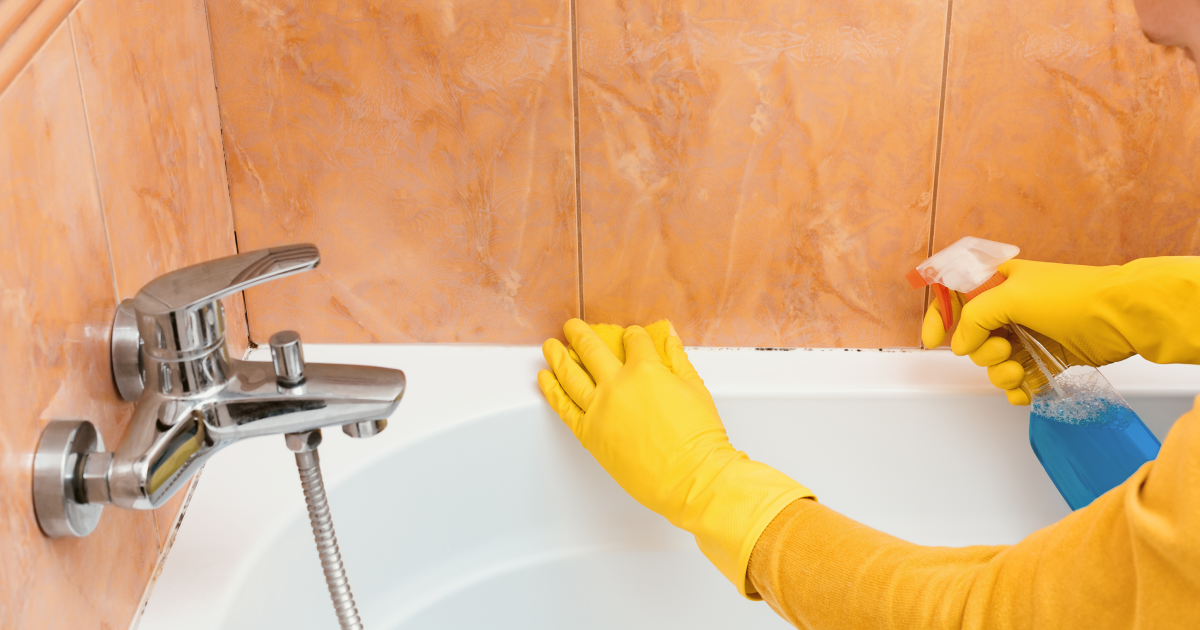
- A certain standard, that should be maintained, is not only cleaning the floors, but also vacuuming the furniture, moving the couches and cleaning behind them, as well as thoroughly scrubbing the bathroom - says Barbara Geło from Rendin. The apartment should be handed over in a state similar to its state at the beginning of the lease. As she adds, on the other hand, there are owners who are too harsh in their love of cleanliness. - One of our clients did not agree that the apartment had been cleaned because he found dirt behind the fridge. Not even a professional cleaning team would clean there - she says.
Walls also cause problems when it comes to final cleaning. - There are owners who would like the walls to be brand new, or at best repainted, at the end of the lease - says Barbara Geło. - Of course, the tenant can wash the walls to remove dirt, and in the event that it cannot be removed, e.g. if they have been splashed with wine, collect a deposit, or in the case of Rendin - apply for our damage compensation, while slight "wear and tear" of the walls is definitely a case that falls within the definition of "normal use" - she explains.
We change the rental industry
In Poland, the rental laws favor the tenants, even in cases of fraud. At Rendin, we champion fairness for both parties! Our solution supports equitable rental relationships by providing landlords with:
Professional legal aid whenever they need it
Rent payment guarantee
Property damage reimbursement
We envision modern property renting as simple, accessible, and, most of all, secure for both landlords and tenants.

Rent payment due date
Late payments are one of the most irritating problems for landlords. Of course, if payments appear, everything is fine, but it’s a red flag for many. Is the tenant in financial trouble? Will the next payment come at all? Late payments are what annoys landlords the most - after all, they are not a large corporation that can afford for some customers to pay later and include the delays in their costs. Of course, you can include interests for late payments in the contract, but obtaining them may involve a long court battle.
On the other hand, frequent late payments may also be interpreted as gross negligence on the part of the tenant - and lead to early termination of the lease.
Who is responsible for repairs?
Repairs in a rental home are a complex matter. Both parties are obligated to carry out repairs.
The owner has:
The basic obligation of the landlord is to deliver the premises to the tenant in a condition specified in the agreement and fit for use and to maintain the premises in such condition throughout the duration of the lease.
He is therefore obliged to respond to any information about faults and to request their removal if it is his responsibility.
In practice, this means that the apartment should be in a condition suitable for living. The owner must provide access to utilities (gas, electricity, water, heating) and replace or repair all internal installations and devices necessary for access (stoves, radiators or pipes).
He is responsible for the durability or replacement of window and door upholstery and floors, floor coverings, as well as the state of the outdoor plaster, unless the damage is the result of gross negligence or deliberate action of the tenant.
He is also obliged to remove any hidden defects in the apartment that the tenant discovers after signing the contract.
In turn, the tenant should:
Return the apartment in a non-deteriorated condition. This comes down to making minor repairs at your own expense.
This means, for example, repairing a leaky tap, broken household appliances or patching up damage to walls.
However, the scope of repairs and renovations and the method of settlement between the landlord and the tenant should be precisely specified in the contract.
For example, a situation may arise in which painting the walls a slightly different colour may be problematic according to the owner of the apartment, because it would be too much of an interference with the current condition.
- Problematic situations may arise, for example, as a result of damage to equipment such as a washing machine - says Barbara Geło. As she explains, if the equipment is very old, it may simply wear out "naturally". If it was damaged by the tenant (e.g. breaking the hotplate in the cooker), then he is responsible. - It is difficult to prove who damaged a 15-year-old washing machine that has barely been working for 10 years - she states. These are situations in which it is difficult to determine whether an apartment with a very old washing machine is "unfit to live in" or whether it is damage that occurred from the tenant's fault - she says.
Not for pets
This is a problem that sometimes pet lovers seem to overlook. Even though the landlord does not mention them during the conversation, or even emphasizes that he does not want to rent the apartment to a tenant who has pets, the tenant assumes that, for example, it will not apply to his dog (because it is small), or guinea pig (because it probably only applies to dogs and perhaps cats).
- I have a dog myself, but I understand a situation in which the owner does not want to, for example, remove dog hair from the sofas - says Barbara Geło. As she says, the owner often finds out about animals in the rental apartment from the neighbors, but there are also completely strange cases. - Once, the owner found out that his tenants had a hamster in the apartment only when he discovered... a chewed cable when returning to the apartment - she says. The tenants did not want to admit for a moment that there was a pet in the apartment.
"My apartment"
This last statement is a rather rare case, but it often leads to the biggest problems. Both parties to the lease consider the apartment to be, in a sense, theirs - and both are right. On the part of the tenant, behaviors that may result from such treatment of the premises include, for example, hammering in nails to hang pictures, installing new shelves or a TV hanger in the walls, replacing the lighting or other permanent changes that may not be to the owner's liking.
The owner, in turn, may, for example, disturb the tenant's home peace and show up at the premises unannounced. We know of cases when, for example, the owner decided to sell the apartment and showed up with candidates for purchase in the morning hours on weekends . In this situation, the candidate and the owner reached an agreement thanks to Rendin's help , but in the case of a standard lease, a similar situation could turn into a very difficult to resolve conflict.
Therefore, one of the solutions offered by Rendin is support for both parties to the lease, from preparing the contract to its completion. We help owners and tenants communicate, and in the event that reaching an agreement is impossible, we become translators and negotiators.